
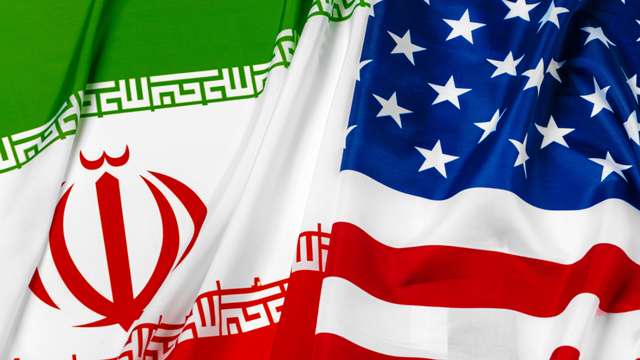
News of a two-week ceasefire between Washington and Tehran has sent immediate ripples through the commodity markets. However, for the industrial automation and robotics sector, the headline is not merely the de-escalation of rhetoric, but the formal pledge to reopen the Strait of Hormuz. In recent weeks, this narrow waterway has evolved into the single most critical bottleneck for global industrial modernization.
Table of content
While political headlines focus on the diplomatic maneuvers of the Trump administration, industrial analysts are fixated on the logistical map. The blockade of the Strait of Hormuz is more than a challenge to the price of a crude oil barrel - it is a direct paralysis of the component supply chains that keep a modern factory floor running.
Critical Resources: From Petrochemicals to Controllers
Modern automation is built on polymers. The Persian Gulf region is a cornerstone supplier of the chemical intermediates essential for manufacturing PLC (Programmable Logic Controller) housings, specialized cable insulation, and precision optoelectronic components. The month-long congestion in the Strait has pushed European and American control system manufacturers toward reporting lead-time delays of a dozen weeks or more.
The reopening of this maritime artery signifies:
- Stabilization of Plastic Component Costs: Reduced logistical costs for petrochemical raw materials will directly impact the margins of equipment manufacturers.
- Restoration of Transshipment Fluidity: Hormuz serves more than just tankers; it is a vital hub for container lines linking Asian manufacturing with European markets.
- Plant Energy Security: Predictable LNG prices allow for the long-term budgetary planning of energy-intensive robotic assembly lines.
Automation as a Crisis Shield
Paradoxically, the friction between the U.S. and Iran may serve as a catalyst for new technology adoption. The lessons learned from the Hormuz blockade are forcing two critical shifts in the industry:
1. Cyber-Resilience: As the conflict has increasingly migrated into the digital domain, industrial plants are aggressively investing in IDS (Intrusion Detection Systems) and OT (Operational Technology) network security. This truce provides a vital window to deploy these safeguards before the next inevitable spike in geopolitical tension.
2. Energy Autarky: Demand is surging for automation systems that support renewables and local energy storage. Manufacturers are seeking to decouple their production processes from raw material price volatility caused by maritime blockades.
A Window of Opportunity: The Value of 14 Days
The fourteen-day ceasefire window is exceptionally tight, imposing a near-military tempo on logistical operations. System integrators are utilizing this period to maximize inventory levels, signaling a definitive shift away from the "Just-in-Time" model toward building strategic reserves of critical components.
The takeaway for industry decision-makers is clear: the current stability is fragile. Utilizing this window to audit supply chains and accelerate energy efficiency projects is no longer an option—it is a necessity. Should negotiations stall after the two-week mark, a competitive advantage will belong only to those who used the truce to insulate their infrastructure against the next shock.