Over the next few years, the market for mobile robots is set to experience extremely dynamic growth that will revolutionise many sectors of the economy. This is what we have repeatedly emphasised in our Automation Trader material - there is no turning back from this path.
Table of content
Gigantic growth
According to ABI Research's forecasts, annual shipments of mobile robots will increase from 547,000 in 2023 to 2.79 million in 2030, an average annual growth rate of 24.1 per cent. Revenues from their sale are expected to increase from $18 billion to $124 billion over the same period, with an average annual growth rate of 23.6 per cent.
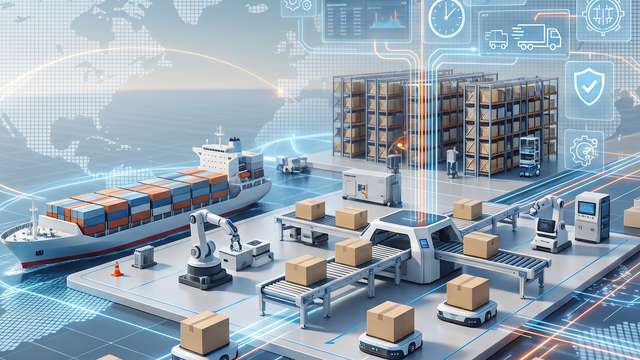
The aforementioned mobile robots are already dominating warehouses and logistics, where they are contributing to a significant increase in operational efficiency. However, their use is not limited to these areas. Thanks to advances in technologies such as SLAM (Simultaneous Localization and Mapping), these robots are becoming increasingly versatile and can be deployed in dynamic environments, opening up new opportunities in sectors such as agriculture or healthcare.
Which sectors will gain the most?
By 2030, mobile robot deployments in agriculture are expected to increase from 7,000 to 129,000 per year, an average annual increase of 45 per cent. In the delivery sector, the number will increase from 14,000 to 147,000 per year, with an average annual increase of 37 per cent.
Also in the service industry, for example in restaurants, the use of mobile robots is expected to increase from 6,000 to 78,000 per year, an average annual increase of 43 per cent.
The falling cost of deployments, the increasing versatility and the ease of programming mobile robots make them attractive to many industries. A growing number of specialised suppliers are entering the market, such as MiR, Omron, Otto Motors and ABB in manufacturing intralogistics, or Zebra, Locus and Safelog in the warehouse sector.
As confidence in autonomous mobile robots grows, their presence in the public space will become more widespread, further automating and optimising processes in various areas of life.